In this guide
Abdominal wall hernia
The video contains English captions.
Abdominal wall hernias: umbilical, incisional and others
- Open, laparoscopic or robotic repair and mesh use depend on location, size, recurrence and your condition. Large or recurrent hernias may require complex repair and longer recovery.
- Disclose previous mesh, wound infection, smoking, constipation, chronic cough and urinary difficulties. Weight, diabetes and nutrition management may be part of preparation; the doctor determines timing.
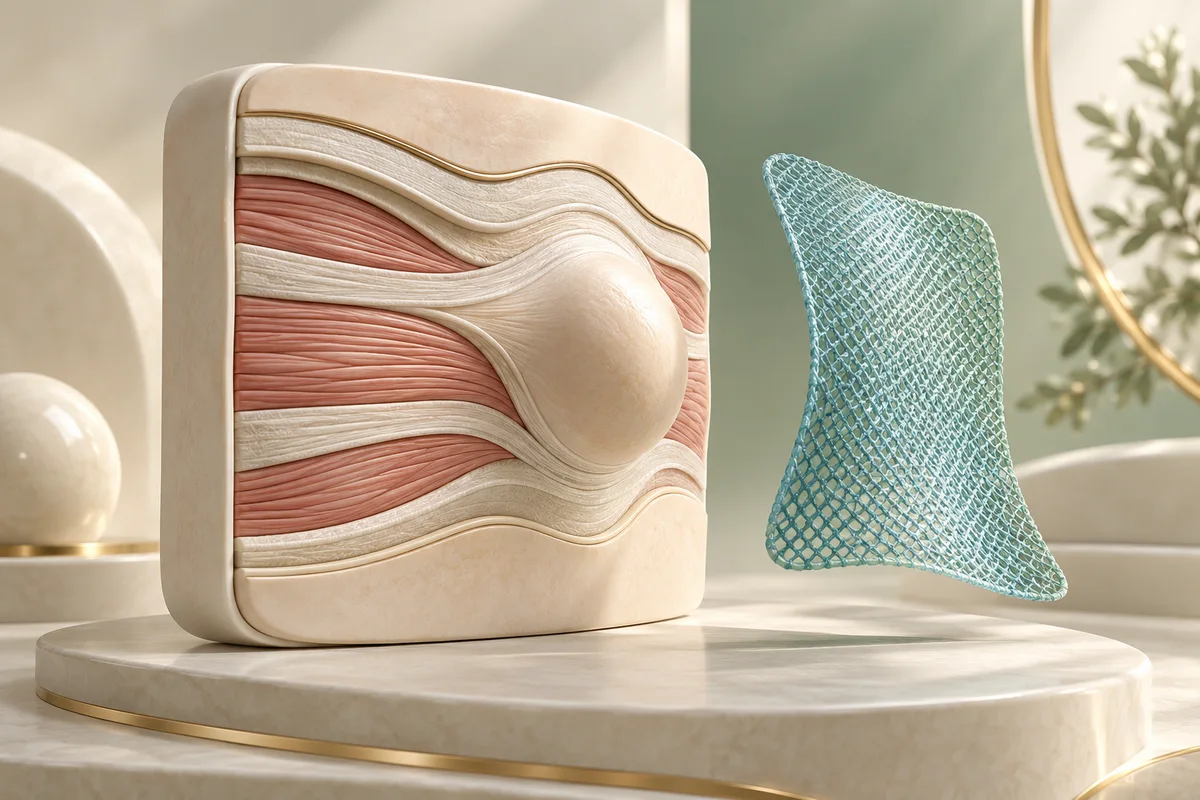
Abdominal wall and surgical mesh concept
AI-created conceptual artwork; not a patient result or an exact surgical diagram.
Explore the educational diagram and sources
Educational illustration
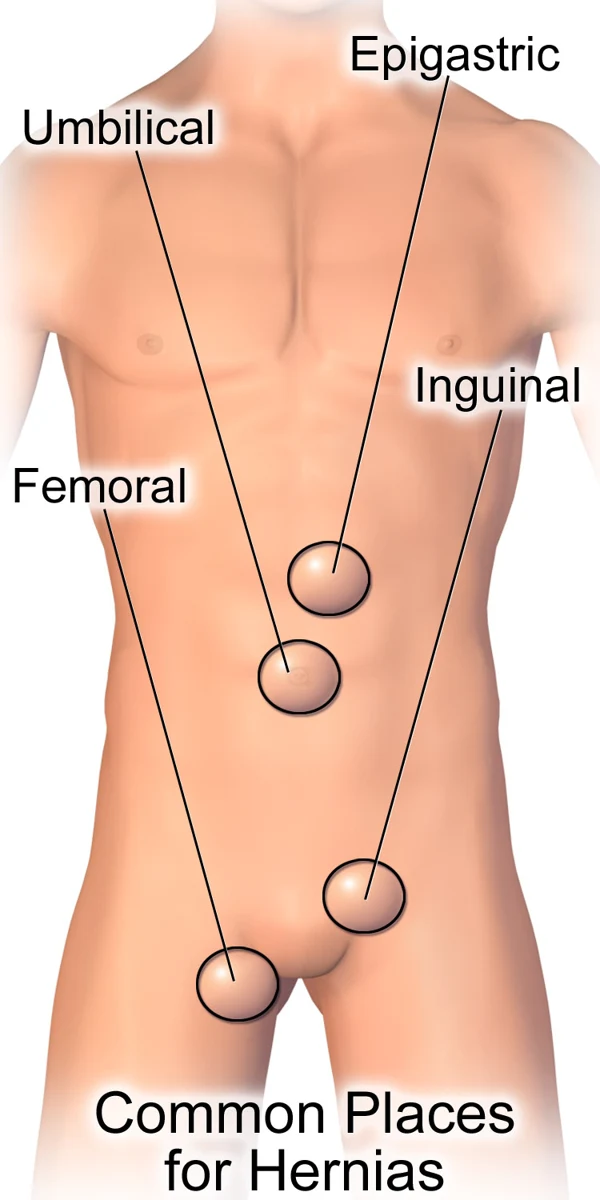
Common abdominal and groin hernia locations; location helps distinguish the types.
An educational schematic, not a patient result or a personalized treatment plan. Original labels may be in another language.
Open larger image ↗Source & licence
BruceBlaus
Hernia Common Sites.png · CC BY-SA 4.0
Simplified educational image; not to scale.
Preparing for surgery
- This is general guidance. Your procedure, medical conditions and discharge instructions take priority. Ask about the exact technique and its specific risks before consenting.
- Disclose medicines, supplements, allergies, previous clots or bleeding, diabetes, sleep apnoea, previous surgery and possible pregnancy. Do not stop blood thinners, diabetes medicines, weight-loss injections or psychiatric medicines yourself; obtain a medication and fasting plan from your team.
- Tests and cardiac or anaesthetic assessment depend on your condition, not a standard package for everyone. Anaemia, infection, malnutrition and poorly controlled glucose should be assessed and corrected when needed. Plan to stop smoking and other nicotine products several weeks beforehand with professional support.
- Continue balanced meals, adequate protein and hydration unless you have heart or kidney restrictions. Use a special diet, bowel preparation or a light final meal only when written for your operation; obtain exact solid-food and fluid cut-off times from the anaesthesia team rather than guessing.
- Arrange an adult escort after sedation or anaesthesia and help at home. Do not drive until drug effects have worn off and the team permits it. Before booking travel, especially long flights, obtain clearance and a clot-prevention plan.
Wound, swelling and binder
- Some bruising and swelling can occur. A fluid-related bulge does not always mean recurrence, but examination is needed. Do not puncture or drain it yourself.
- Use a binder only as advised. It must not restrict breathing or injure skin, and does not replace repair or activity restrictions.
- If you have a drain, learn to record fluid volume and colour. Removal depends on the wound, not simply the number of days.
Activity and limiting strain
- Begin gentle walking early with permission. Heavy work and abdominal exercises may remain restricted longer after complex repairs. Ask about lifting limits and return dates.
- Treat constipation, persistent cough and straining to urinate. Support the area with a hand or pillow when coughing. Do not push through increasing pain.
Explore the educational diagram and sources
Educational illustration
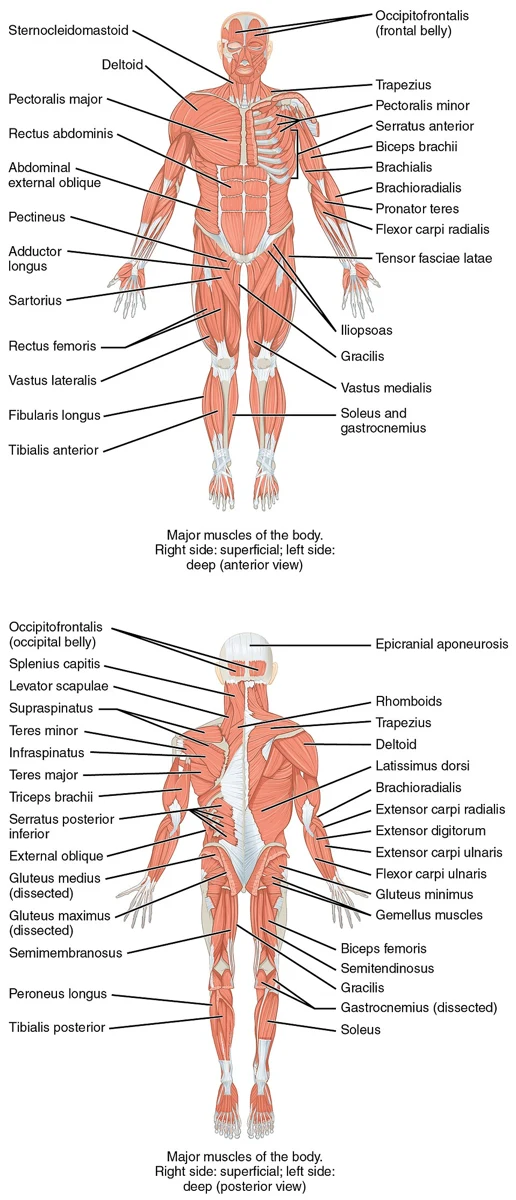
Front and back muscle anatomy, including the abdominal wall, arms, thighs and buttocks.
An educational schematic, not a patient result or a personalized treatment plan. Original labels may be in another language.
Open larger image ↗Source & licence
OpenStax
1105 Anterior and Posterior Views of Muscles.jpg · CC BY 4.0
Simplified educational image; not to scale.
Trapped hernia or obstruction warning
- Before or after surgery, a suddenly painful, firm bulge, skin colour change, vomiting, abdominal distension or inability to pass gas with pain requires emergency assessment. Do not forcibly push a painful hernia back in.
Medicines, movement and follow-up
- Take painkillers and other medicines only as prescribed. Antibiotics or anticoagulant injections are not needed in the same way for everyone. Opioids can cause drowsiness and constipation; alcohol and driving while taking them are unsafe.
- Start short, frequent walks when permitted; prolonged bed rest is not appropriate. Return to work, exercise, sex and lifting depends on technique and healing. Obtain written restrictions.
- Before discharge, confirm dressings, showering, stitch or drain removal and your first review. Do not disturb wounds, adhesive, stitches or drains, or apply unprescribed creams or antiseptics to open wounds.
- Restart fluids and food according to the operation. If unrestricted, begin with small light portions, eat slowly and stop for nausea or pain; then add protein, vegetables and regular textures gradually. After stomach, bowel, anal or hiatal-hernia procedures, use the procedure-specific plan.
- Eat a balanced diet with adequate protein and fluids appropriate to your health conditions and prevent constipation with movement, fluids and prescribed treatment. Recovery and final results vary. Persistent or recurrent symptoms require assessment, not self-treatment.
General warning signs — urgent assessment
- Breathlessness, chest pain, coughing blood, fainting or one-sided calf pain and swelling require immediate assessment. Call local emergency services; in Türkiye, 112.
- Report heavy or ongoing bleeding, worsening pain not controlled by prescribed medicine, fever with feeling unwell, spreading redness or foul discharge, repeated vomiting, inability to drink or urinary retention immediately. Website messages do not replace emergency care.
Sources
Was this guide helpful?
Your feedback helps us improve this guide.