In this guide
Understanding this topic
Anal fissure
An anal fissure is a small tear in the anal lining, often causing sharp pain during or after a bowel movement and sometimes bright-red bleeding. Constipation and hard stool are common triggers. Treatment begins with softer stools, fiber, fluids and local measures; persistent or chronic fissures may need prescription treatment or a surgical procedure.
NIDDK / colorectal practiceAnal fissure: medicine or surgery?
- A fissure is a tear in the anal lining. Many improve with stool regulation and topical treatment; chronic fissures may need botulinum toxin or surgery.
- Lateral, multiple or resistant fissures need assessment for underlying causes such as inflammatory bowel disease. Disclose incontinence, obstetric injury or previous anal surgery because these affect treatment choice.
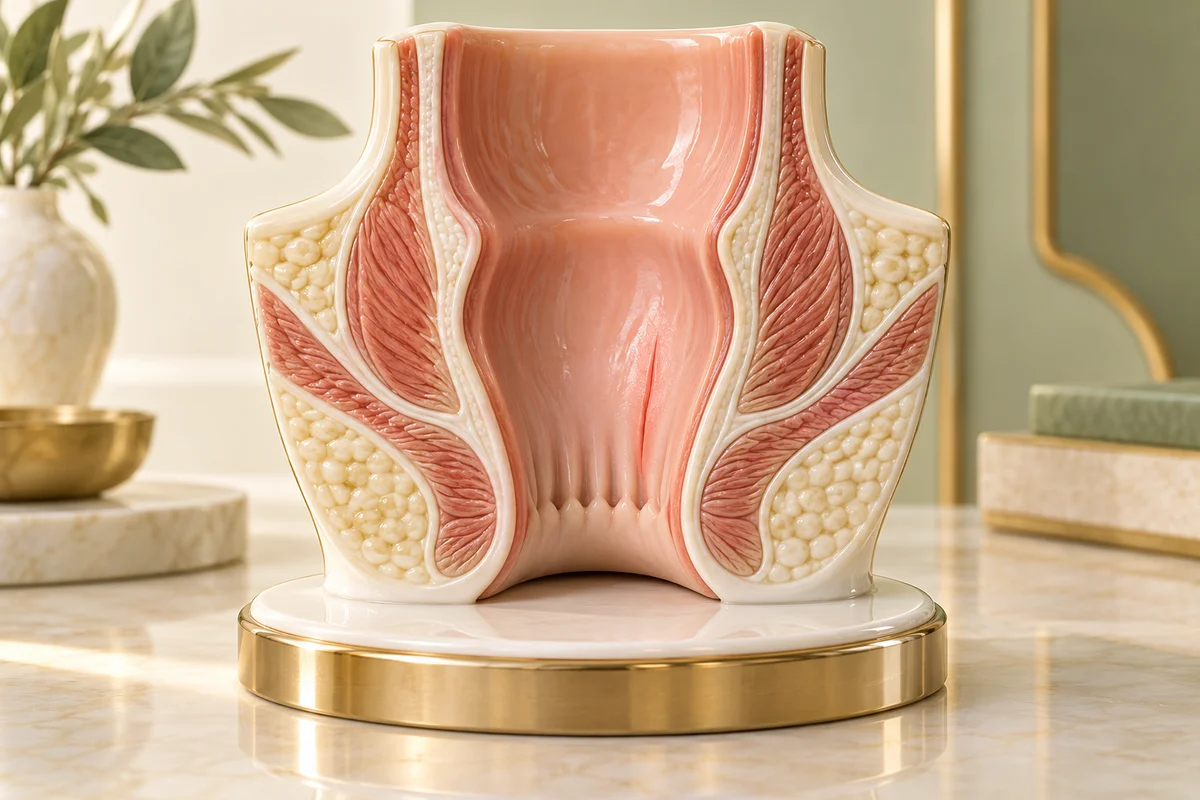
Fissure: a superficial tear in the anal lining
AI-created conceptual artwork; not a patient result or an exact surgical diagram.
Explore the educational diagram and sources
Educational illustration
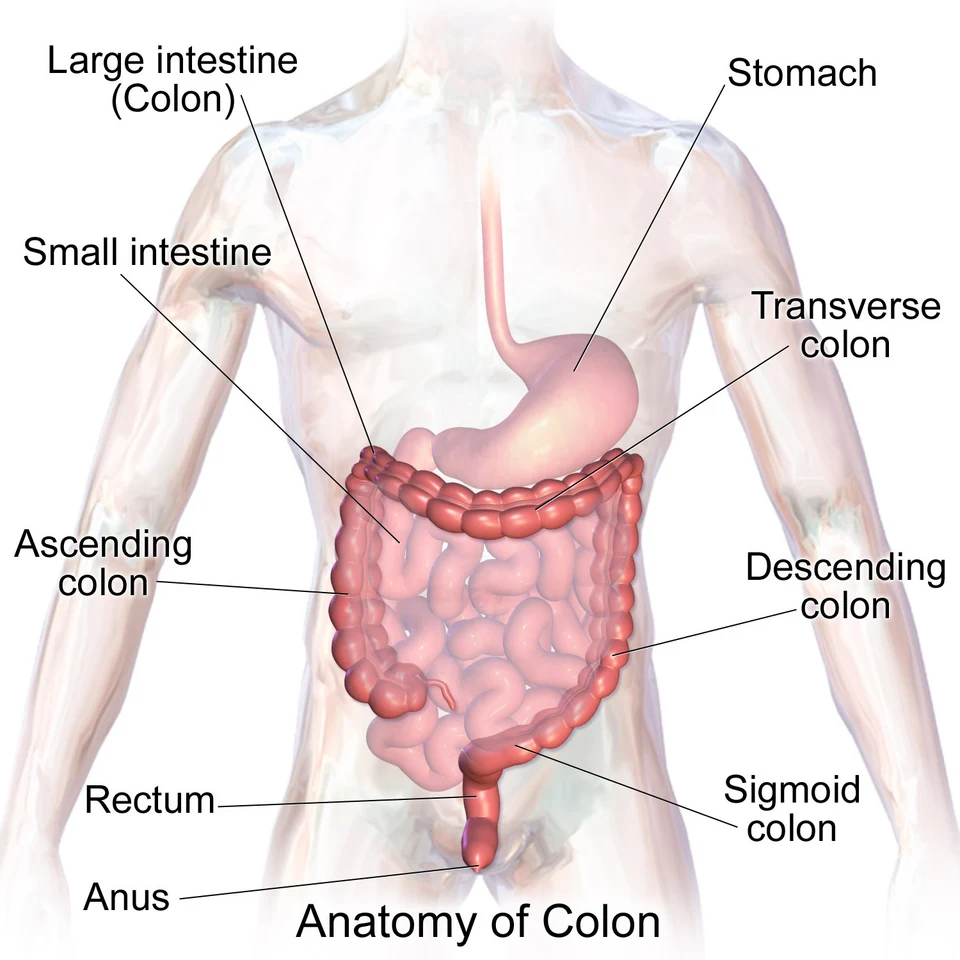
Colon and rectum anatomy, showing their relationship to the small intestine and anus.
An educational schematic, not a patient result or a personalized treatment plan. Original labels may be in another language.
Open larger image ↗Source & licence
Blausen.com staff (2014), Medical gallery of Blausen Medical 2014, WikiJournal of Medicine 1(2), doi:10.15347/wjm/2014.010
Blausen 0603 LargeIntestine Anatomy.png · CC BY 3.0
Simplified educational image; not to scale.
Preparing for surgery
- This is general guidance. Your procedure, medical conditions and discharge instructions take priority. Ask about the exact technique and its specific risks before consenting.
- Disclose medicines, supplements, allergies, previous clots or bleeding, diabetes, sleep apnoea, previous surgery and possible pregnancy. Do not stop blood thinners, diabetes medicines, weight-loss injections or psychiatric medicines yourself; obtain a medication and fasting plan from your team.
- Tests and cardiac or anaesthetic assessment depend on your condition, not a standard package for everyone. Anaemia, infection, malnutrition and poorly controlled glucose should be assessed and corrected when needed. Plan to stop smoking and other nicotine products several weeks beforehand with professional support.
- Continue balanced meals, adequate protein and hydration unless you have heart or kidney restrictions. Use a special diet, bowel preparation or a light final meal only when written for your operation; obtain exact solid-food and fluid cut-off times from the anaesthesia team rather than guessing.
- Arrange an adult escort after sedation or anaesthesia and help at home. Do not drive until drug effects have worn off and the team permits it. Before booking travel, especially long flights, obtain clearance and a clot-prevention plan.
Comfortable bowel movements and hygiene
- Aim for soft, formed stools, not diarrhoea. Increase fibre gradually and drink enough within any heart or kidney restrictions. Use prescribed stool softeners or laxatives; persistent constipation and diarrhoea both need correction.
- Do not delay bowel movements, strain or sit on the toilet for long periods. Clean gently with lukewarm water after stools and pat dry. Avoid scented soap, irritating products and hot water.
- A brief sitz bath in plain lukewarm water may ease pain if your surgeon permits it. Do not insert suppositories, enemas, ointments or objects unless specifically instructed for your procedure.
Topical medicines and aftercare
- Use topical medicines only as prescribed for the specified duration. Nitroglycerin can cause headache or low blood pressure and has important interactions with some erectile-dysfunction medicines. Disclose all medicines.
- Pain relief does not mean complete wound healing. Continue keeping stools soft after improvement. Avoid manipulation, self-stretching or inserting objects.
- After botulinum toxin or sphincterotomy, monitor gas and stool control. Report new incontinence. Treatment should balance healing with preservation of continence.
When to reassess
- Seek review if pain or bleeding is not improving or returns. Repeated injections, indefinite ointment use or surgery decisions require appropriate examination.
Fissure warning signs
- Fever, a new painful swelling, pus, increasing constant pain or heavy bleeding may indicate more than a simple fissure and require prompt assessment.
Medicines, movement and follow-up
- Take painkillers and other medicines only as prescribed. Antibiotics or anticoagulant injections are not needed in the same way for everyone. Opioids can cause drowsiness and constipation; alcohol and driving while taking them are unsafe.
- Start short, frequent walks when permitted; prolonged bed rest is not appropriate. Return to work, exercise, sex and lifting depends on technique and healing. Obtain written restrictions.
- Before discharge, confirm dressings, showering, stitch or drain removal and your first review. Do not disturb wounds, adhesive, stitches or drains, or apply unprescribed creams or antiseptics to open wounds.
- Restart fluids and food according to the operation. If unrestricted, begin with small light portions, eat slowly and stop for nausea or pain; then add protein, vegetables and regular textures gradually. After stomach, bowel, anal or hiatal-hernia procedures, use the procedure-specific plan.
- Eat a balanced diet with adequate protein and fluids appropriate to your health conditions and prevent constipation with movement, fluids and prescribed treatment. Recovery and final results vary. Persistent or recurrent symptoms require assessment, not self-treatment.
General warning signs — urgent assessment
- Breathlessness, chest pain, coughing blood, fainting or one-sided calf pain and swelling require immediate assessment. Call local emergency services; in Türkiye, 112.
- Report heavy or ongoing bleeding, worsening pain not controlled by prescribed medicine, fever with feeling unwell, spreading redness or foul discharge, repeated vomiting, inability to drink or urinary retention immediately. Website messages do not replace emergency care.
Sources
Was this guide helpful?
Your feedback helps us improve this guide.