In this guide
Understanding this topic
Intragastric balloon
An intragastric balloon is a temporary device placed in the stomach, usually endoscopically or with a swallowable system depending on the product. It occupies space and can help people feel full sooner. It is used together with a structured diet and activity program, and it must be removed or pass according to the specific device. Eligibility and duration depend on the system used.
NIDDKWhat is an intragastric balloon?
- A balloon is a temporary device inside the stomach, used alongside nutrition support and follow-up. Device type, placement method and removal timing vary.
- Record its name, model and scheduled removal or review date. Do not keep it longer than its permitted duration. It does not replace a long-term weight-management plan.
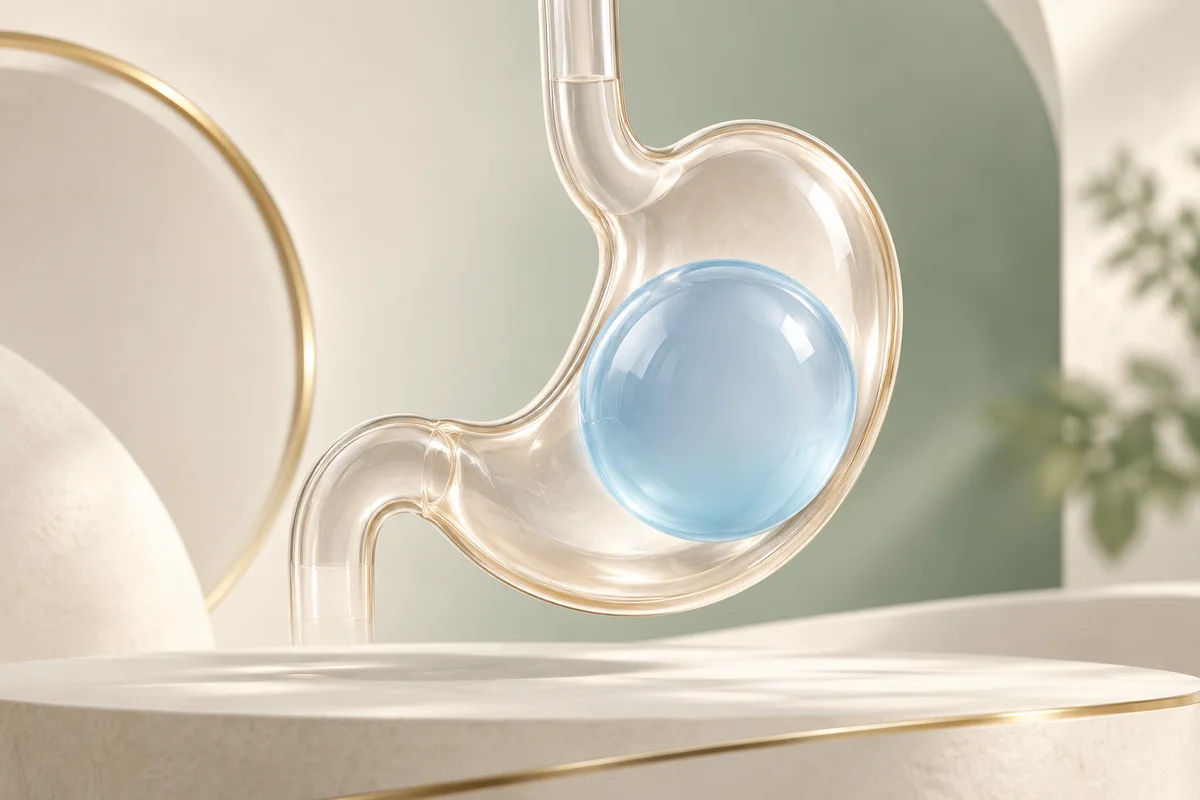
Gastric balloon concept
AI-created conceptual artwork; not a patient result or an exact surgical diagram.
Explore the educational diagram and sources
Educational illustration
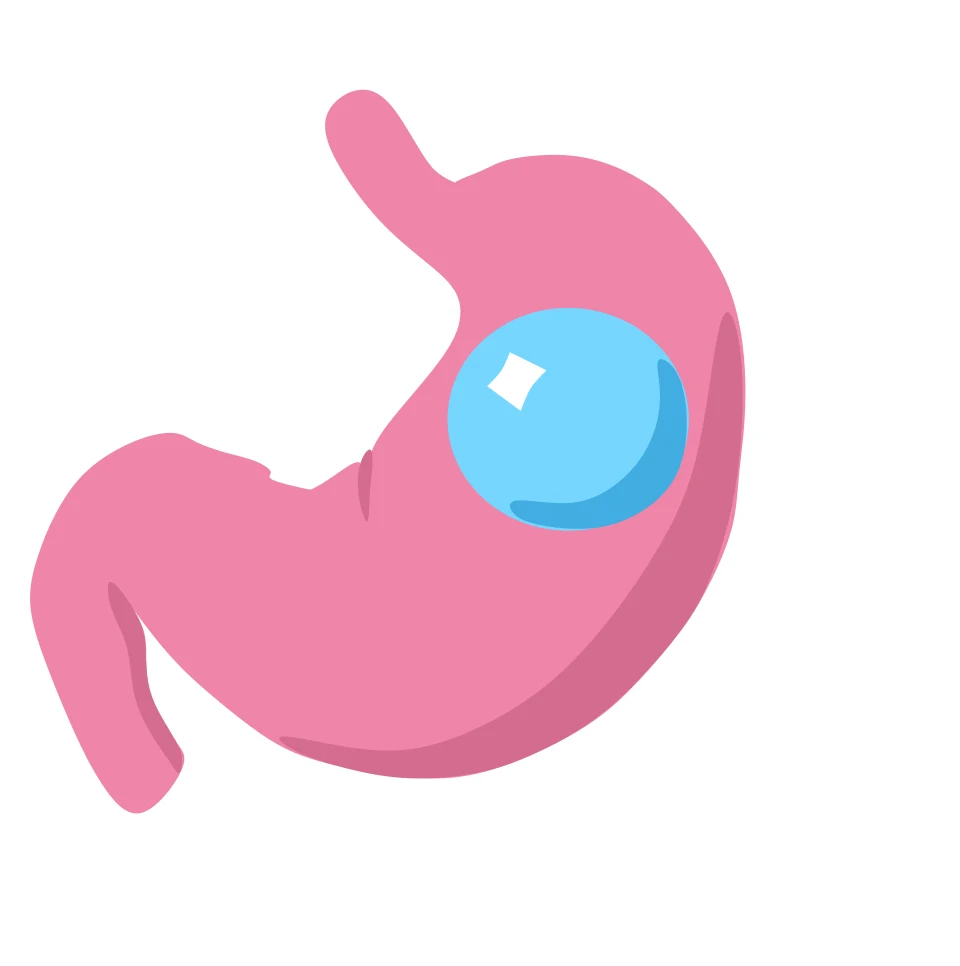
A simplified intragastric balloon schematic; device shape and placement vary by product.
An educational schematic, not a patient result or a personalized treatment plan. Original labels may be in another language.
Open larger image ↗Source & licence
Lina Wolf, magenverkleinerung.tips
Gastric Balloon Icon.svg · CC BY-SA 4.0
Simplified educational image; not to scale.
Preparing for treatment
- The choice depends on weight, associated conditions, reflux, previous surgery, nutrition and ability to attend follow-up. This page is not a personal prescription.
- Disclose all medicines, supplements, allergies, smoking, previous clots, sleep apnoea and possible pregnancy. Do not stop diabetes medicines, blood thinners or weight-loss injections yourself; obtain medication and fasting instructions from the anaesthesia team.
- Tests and, when needed, endoscopy are arranged by your doctor. Anaemia, nutritional deficiencies, ulcers or active infection and uncontrolled conditions must be assessed and treated before the procedure when necessary.
- Arrange an adult escort and safe travel after sedation or anaesthesia. Do not drive until your care team permits it.
Early recovery and balloon care
- Nausea, vomiting or cramps may occur. Take anti-sickness and acid-reducing medicines only as prescribed. Inability to keep fluids down or reduced urine output requires prompt contact.
- Serious complications can include ulcers, obstruction, perforation, spontaneous overinflation of some fluid-filled balloons and pancreatitis. Severe abdominal or back pain, marked abdominal swelling or persistent vomiting require immediate assessment.
- In models containing warning dye, urine colour changes may indicate a leak; contact the centre immediately. No colour change does not guarantee an intact balloon.
Explore the educational diagram and sources
Educational illustration
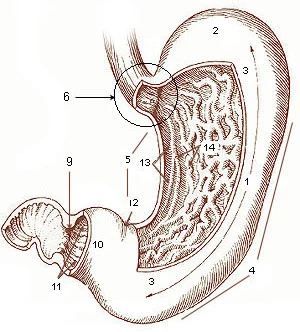
Stomach anatomy: the esophagus enters at the top and the pylorus leads into the duodenum.
An educational schematic, not a patient result or a personalized treatment plan. Original labels may be in another language.
Open larger image ↗Source & licence
National Cancer Institute / NIH (SEER)
Illu stomach.jpg · Public domain
Simplified educational image; not to scale.
Nutrition, activity and follow-up
- Ask your team when to start fluids and progress to soft and regular food. Eat slowly, take small bites and stop when you feel pressure or fullness. Do not assume repeated vomiting is normal.
- Sip fluids and follow your individual protein plan. High-calorie drinks and grazing can reduce treatment effectiveness. Do not add supplements or weight-loss medicines yourself.
- Start gentle walking when permitted. After surgery, strenuous exercise and heavy lifting require your surgeon’s approval. Sleep, family support and nutritional follow-up are important parts of treatment.
- Before discharge, confirm appointments, an emergency number and follow-up after returning home. Weight regain is not a personal failing; nutrition, medicines and digestive anatomy may need reassessment.
Warning signs — do not wait for your next appointment
- Severe or worsening abdominal or chest pain, breathlessness, fainting, gastrointestinal bleeding, fever with feeling unwell, repeated vomiting or inability to drink require urgent assessment.
- For severe symptoms call local emergency services; in Türkiye, 112. Bring the procedure name, date and medication list. Online messaging is not a substitute for emergency assessment.
Sources
Was this guide helpful?
Your feedback helps us improve this guide.