Guide available
In this guide
Mammoplasty: reduction, lift or implants
- Mammoplasty is a broad term. Reduction, lift and augmentation with implants need different specific care. Ensure discharge papers state the exact operation and whether implants were used.
- Disclose lumps, bloody nipple discharge, personal or family cancer history and previous imaging. Preoperative imaging depends on age, risk and symptoms. Discuss scars, sensation, asymmetry and possible effects on breastfeeding.

Breast surgery recovery concept
AI-created conceptual artwork; not a patient result or an exact surgical diagram.
Explore the educational diagram and sources
Educational illustration
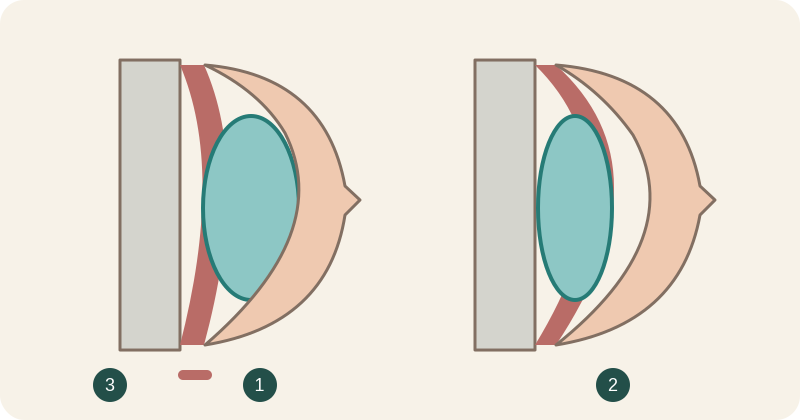
Breast augmentation, schematic cross-sections: 1 implant behind breast tissue and in front of muscle; 2 implant beneath muscle; 3 muscle shown in red. Teal represents the implant. These are two options, not a recommendation or complete anatomical map.
An educational schematic, not a patient result or a personalized treatment plan. Original labels may be in another language.
Open larger image ↗Source & licence
Original Taharaz educational schematic; clinical reference linked below
Procedure concept — clinical reference · Original illustration
Simplified educational image; not to scale.
Preparing for surgery
- This is general guidance. Your procedure, medical conditions and discharge instructions take priority. Ask about the exact technique and its specific risks before consenting.
- Disclose medicines, supplements, allergies, previous clots or bleeding, diabetes, sleep apnoea, previous surgery and possible pregnancy. Do not stop blood thinners, diabetes medicines, weight-loss injections or psychiatric medicines yourself; obtain a medication and fasting plan from your team.
- Tests and cardiac or anaesthetic assessment depend on your condition, not a standard package for everyone. Anaemia, infection, malnutrition and poorly controlled glucose should be assessed and corrected when needed. Plan to stop smoking and other nicotine products several weeks beforehand with professional support.
- Continue balanced meals, adequate protein and hydration unless you have heart or kidney restrictions. Use a special diet, bowel preparation or a light final meal only when written for your operation; obtain exact solid-food and fluid cut-off times from the anaesthesia team rather than guessing.
- Arrange an adult escort after sedation or anaesthesia and help at home. Do not drive until drug effects have worn off and the team permits it. Before booking travel, especially long flights, obtain clearance and a clot-prevention plan.
Support bra and wounds
- The surgeon specifies bra type and duration. Avoid pressure on incisions or unsuitable underwires. Do not massage breasts or move implants yourself.
- Follow sleeping, showering and dressing instructions. Record drain volume and colour when present. Do not apply heat or direct cold to skin with reduced sensation.
- Early bruising and swelling can temporarily affect shape and symmetry. Final results take time. Start scar care only after wound closure and medical clearance.
Movement, work and follow-up
- Gentle walking is appropriate. Limit strong arm stretches, lifting and upper-body exercise until cleared. Arrange help with shopping, children and housework.
- After reduction, ask about the pathology result for removed tissue at review. Continue breast examinations and screening as advised.
If implants were placed
- Keep the implant card and details. Implants are not guaranteed lifetime devices; rupture, capsular tightening or further surgery can occur. Monitoring and imaging depend on implant type and medical advice.
- Have new late swelling in one breast, a lump, persistent pain or shape change assessed. Rare implant-capsule complications must also be considered. Tell the mammography team about implants.
Breast warning signs
- Rapid enlargement of one breast, severe one-sided pain, bleeding, dark or unusual nipple colour, spreading redness, fever or wound separation require immediate contact; do not wait for routine review.
Medicines, movement and follow-up
- Take painkillers and other medicines only as prescribed. Antibiotics or anticoagulant injections are not needed in the same way for everyone. Opioids can cause drowsiness and constipation; alcohol and driving while taking them are unsafe.
- Start short, frequent walks when permitted; prolonged bed rest is not appropriate. Return to work, exercise, sex and lifting depends on technique and healing. Obtain written restrictions.
- Before discharge, confirm dressings, showering, stitch or drain removal and your first review. Do not disturb wounds, adhesive, stitches or drains, or apply unprescribed creams or antiseptics to open wounds.
- Restart fluids and food according to the operation. If unrestricted, begin with small light portions, eat slowly and stop for nausea or pain; then add protein, vegetables and regular textures gradually. After stomach, bowel, anal or hiatal-hernia procedures, use the procedure-specific plan.
- Eat a balanced diet with adequate protein and fluids appropriate to your health conditions and prevent constipation with movement, fluids and prescribed treatment. Recovery and final results vary. Persistent or recurrent symptoms require assessment, not self-treatment.
General warning signs — urgent assessment
- Breathlessness, chest pain, coughing blood, fainting or one-sided calf pain and swelling require immediate assessment. Call local emergency services; in Türkiye, 112.
- Report heavy or ongoing bleeding, worsening pain not controlled by prescribed medicine, fever with feeling unwell, spreading redness or foul discharge, repeated vomiting, inability to drink or urinary retention immediately. Website messages do not replace emergency care.
Sources
Was this guide helpful?
Your feedback helps us improve this guide.