In this guide
What weight recurrence means
- Weight commonly reaches its lowest point 12–18 months after sleeve or bypass. A small fluctuation afterward can be normal and does not by itself mean that surgery has failed.
- There is no single universal definition. The direction of change, percentage regained from the lowest weight, return of obesity-related disease, uncontrolled hunger and health impact matter more than one number.
- A sustained rise over several months, roughly 5% above the lowest weight, regain of 20–30% of the maximum weight lost, or recurrence of diabetes or hypertension are practical prompts for early review—not automatic definitions of surgical failure.
- Insufficient weight loss means the expected response never occurred; weight recurrence means an effective initial loss was followed by regain. Their causes and treatments can differ.
- This is a treatable medical problem, not a failure of willpower. Earlier intervention is usually simpler and more effective.

Weight follow-up
AI-created conceptual artwork; not a patient result or an exact surgical diagram.
Explore the educational diagram and sources
Educational illustration
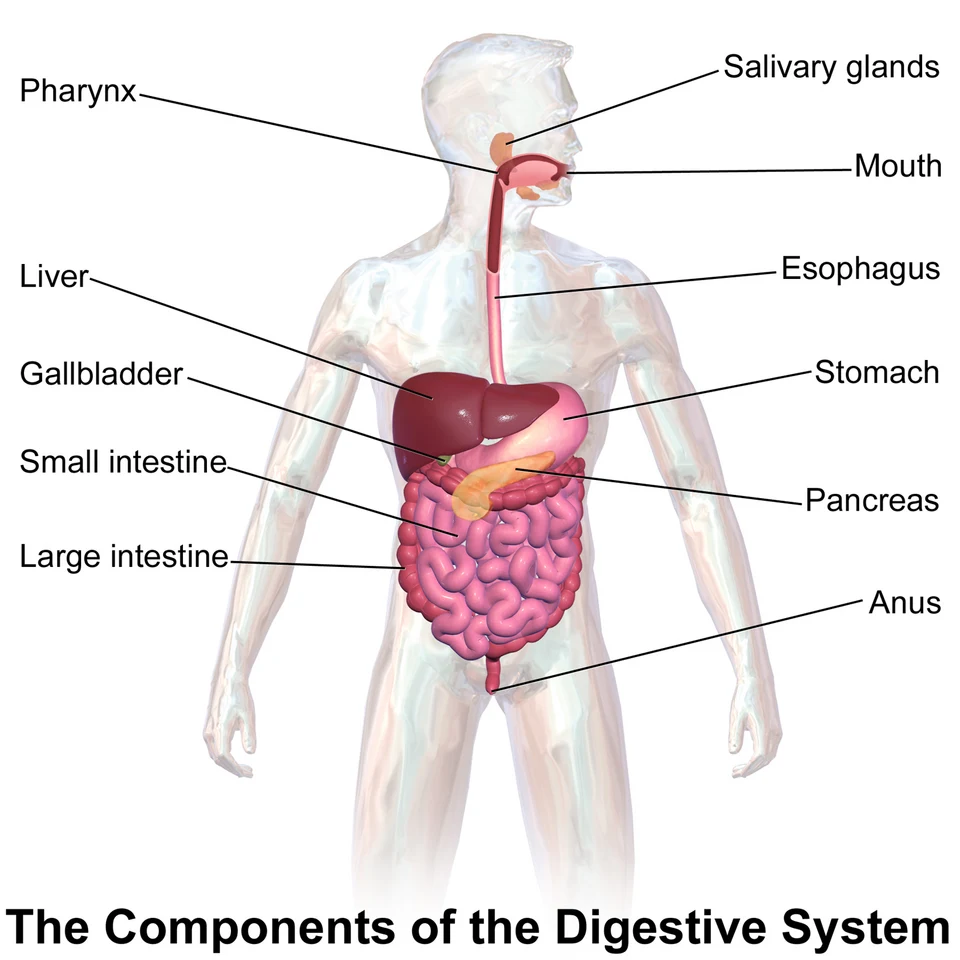
The digestive tract and associated organs: follow the route from the mouth to the intestine.
An educational schematic, not a patient result or a personalized treatment plan. Original labels may be in another language.
Open larger image ↗Source & licence
Blausen.com staff (2014), Medical gallery of Blausen Medical 2014, WikiJournal of Medicine 1(2), doi:10.15347/wjm/2014.010
Blausen 0316 DigestiveSystem.png · CC BY 3.0
Simplified educational image; not to scale.
If diet and exercise are still needed, why have surgery?
- Surgery does not remove the body's normal needs. It changes obesity biology so that nutrition and activity—which may previously have been extremely difficult or ineffective—become achievable and sustainable.
- Restriction plus gut-hormone and metabolic changes reduce hunger and increase fullness, producing much greater and more durable weight loss than lifestyle treatment alone for severe obesity.
- Nutrition and exercise do not replace surgery; they protect the result surgery created. Surgery is the major treatment, while lifestyle is the maintenance treatment.
- Exercise mainly preserves muscle, metabolism, cardiovascular and bone health. It is not meant to compensate for continuous snacking or calorie-containing drinks.
- Surgery is a powerful tool, not permission for unlimited intake. Liquid calories, sweets and grazing can bypass fullness even with a small stomach.
Why weight can return
- Causes are commonly mixed: biological adaptation after weight loss, gradual return of appetite, lower energy expenditure, muscle loss, inactivity, poor sleep, stress and an unsupportive food environment.
- Grazing, night or emotional eating, binge eating, high-calorie drinks, alcohol, sweets and soft energy-dense foods can deliver substantial calories with little fullness.
- Depression, anxiety, grief, burnout, ADHD, binge-eating disorder, alcohol use and major life changes deserve non-judgmental assessment and treatment.
- Weight-promoting medicines, untreated hypothyroidism, diabetes, menopause, pregnancy and sleep apnea can contribute.
- Anatomical contributors may include a retained or enlarged fundus/sleeve, enlarged gastric pouch or gastrojejunal outlet after bypass, gastrogastric fistula or a problem with the original operation. Anatomy must be interpreted together with symptoms and trajectory.
Prevention and early detection
- Record weight weekly under similar conditions and maintain follow-up even when progress is excellent.
- Track lowest weight, waist, diseases, medicines, laboratory results, protein intake, activity and eating pattern.
- Contact the team after a repeated upward trend over 4–8 weeks, a clear return of hunger or tighter clothing; do not wait for a 15–20 kg regain.
- Build the maintenance plan before rapid weight loss ends: meal structure, resistance exercise, sleep, family support and the next review date.
Eating pattern that protects the result
- Use defined meals rather than eating continuously. Meal and snack frequency should be individualized for procedure, diabetes and activity.
- Eat protein first. Many patients are guided toward roughly 60–80 g daily, but the target must be individualized for body size, procedure, kidney health and activity.
- Add tolerated vegetables and fibre, eat slowly, chew thoroughly and stop at the first fullness signal.
- Soft drinks, juice, sweetened coffee, high-calorie shakes and alcohol can bypass volume restriction. Prefer calorie-free fluids and separate drinking from meals as advised.
- A 7–14 day food-and-mood record often reveals grazing, liquid calories and emotional eating.
Exercise and muscle
- Regular aerobic activity supports cardiovascular health, mood and weight maintenance. A common goal after medical clearance is at least 150 minutes of moderate activity weekly; some people need more for maintenance.
- Resistance training 2–3 times weekly is especially important for preserving or rebuilding muscle and daily energy expenditure.
- Walking, more daily steps and less prolonged sitting add meaningful activity outside formal exercise.
- Progress gradually according to joints, heart health, age and surgical recovery.
Sleep, stress and family support
- Short sleep and sleep apnea can increase hunger, cravings and daytime fatigue. Loud snoring, witnessed apnea or daytime sleepiness should be assessed.
- Chronic stress and untreated anxiety can trigger emotional eating. Psychological treatment, emotion-regulation skills and sleep planning are part of obesity care.
- Families help most by keeping supportive foods available, sharing walks, respecting small portions and avoiding pressure to eat.
- Blame, comparison and food policing can increase anxiety and secretive eating. Support should combine empathy with accountability.
- Bariatric support groups and clinicians familiar with obesity can strengthen long-term follow-up.
Mental-health and other weight-promoting medicines
- Effective treatment of anxiety, depression or binge eating can improve surgical outcomes. Never stop psychiatric medicine because of weight concerns without the prescriber.
- Some antipsychotics, mood stabilizers, antidepressants, sleep medicines, steroids and certain diabetes, pain or seizure medicines can increase appetite or weight; effects differ among medicines and people.
- The bariatric clinician and psychiatrist can review a more weight-neutral option, dose or adjunct when clinically appropriate. Mental-health stability remains the priority.
- Absorption of some oral medicines may change after bypass or malabsorptive procedures; loss of effect or new adverse effects should be reported.
- Cognitive behavioural therapy and relapse-prevention treatment can be especially useful for emotional or binge eating.
Explore the educational diagram and sources
Educational illustration
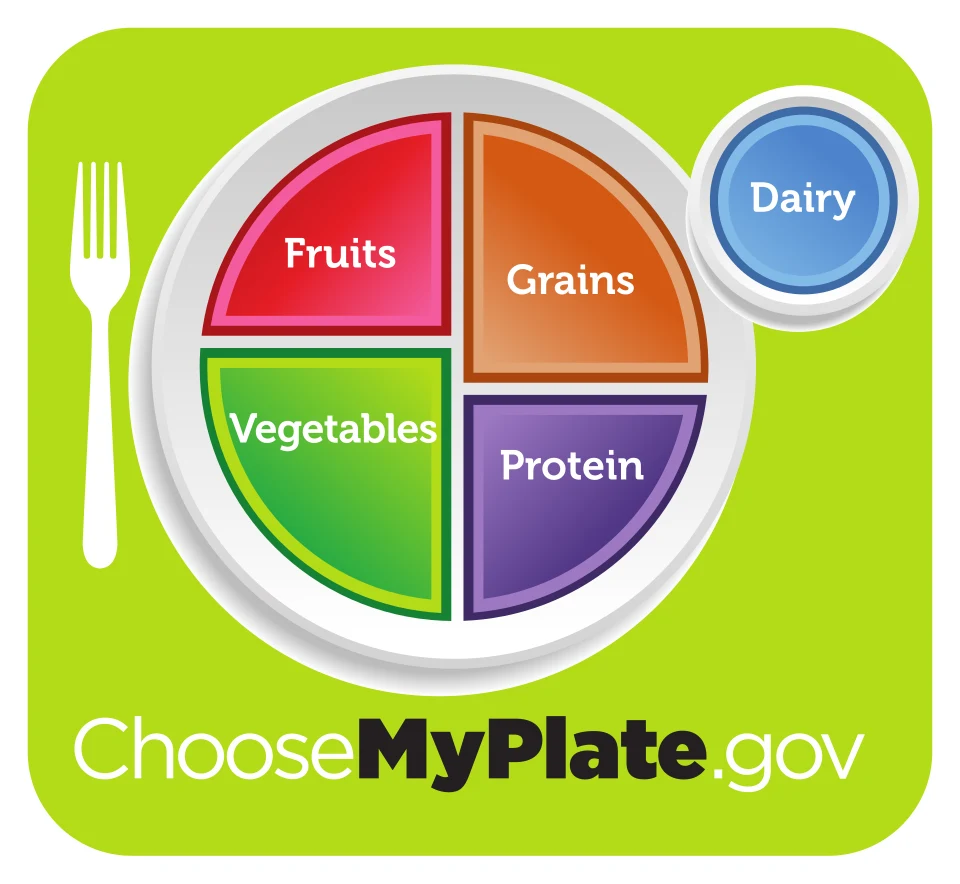
Food groups in the USDA MyPlate educational model. Portions and food texture after surgery require an individual plan.
An educational schematic, not a patient result or a personalized treatment plan. Original labels may be in another language.
Open larger image ↗Source & licence
United States Department of Agriculture
USDA MyPlate green.svg · Public domain
Simplified educational image; not to scale.
Vitamins, minerals and hunger
- No single vitamin or mineral deficiency is proven to cause insatiable hunger after bariatric surgery. Self-injection based on that assumption can delay the real diagnosis.
- Low protein intake, low-fibre meals, dehydration, sleep loss and reactive hypoglycaemia may feel like hunger, weakness, shaking or sugar craving and should be distinguished.
- Iron, B12, folate, vitamin D, calcium and thiamine deficiencies more commonly cause fatigue, anaemia, weakness or neurological symptoms; they can indirectly make weight management harder but do not usually remove satiety.
- Zinc and copper testing may be needed after bypass or malabsorptive procedures. Zinc deficiency more often alters taste or lowers appetite.
- Typical surveillance includes CBC, iron/ferritin, B12, folate, vitamin D, calcium/PTH, glucose or HbA1c, liver/kidney tests and TSH, with additional tests according to procedure and symptoms.
- Use bariatric-specific supplements and laboratory-guided doses; excess iron and vitamins A, D or B6 can be harmful.
Medical and anatomical assessment
- Review the original operation, preoperative and lowest weights, timing of regain, recurrent conditions, medicines, sleep, alcohol, activity and eating pattern.
- Examination, waist or body composition and metabolic/nutritional tests help distinguish fat gain, fluid retention, muscle loss and endocrine contributors.
- Endoscopy and selected imaging or contrast studies assess sleeve shape, pouch and bypass outlet, hiatal hernia, reflux injury, ulcer or fistula.
- Normal anatomy does not mean no treatment—behavioural and medication treatment may work well. An anatomical change alone does not automatically require revision.
Can weight-loss medication help after surgery?
- Yes. Anti-obesity medicines, including GLP-1 and GIP/GLP-1 therapies, can help many patients with suboptimal loss or recurrent weight after surgery; previous surgery is not by itself a contraindication.
- Medication is often worth considering at a weight-loss plateau or early upward trend, rather than waiting for major regain.
- Selection among liraglutide, semaglutide, tirzepatide or other locally authorised medicines depends on diabetes, reflux, blood pressure, mood, pancreatitis or gallstone history, other medicines, pregnancy and cost.
- Severe nausea, vomiting or appetite suppression can worsen dehydration, low protein intake and micronutrient deficiency, so slow titration and nutrition follow-up are essential.
- Medicine does not replace anatomical assessment, protein intake, resistance exercise or binge-eating treatment.
- Obesity is chronic and appetite or weight may return after stopping medicine. Duration and an exit or maintenance plan should be discussed at the start; never self-treat or buy from an unregulated source.
Endoscopic treatment
- After gastric bypass, transoral outlet reduction (TORe) may be considered when an enlarged gastrojejunal outlet contributes to recurrence.
- Selected patients with an enlarged sleeve may be assessed for endoscopic volume-reduction techniques depending on sleeve shape, reflux, hernia and local expertise.
- A balloon or other temporary therapy may be used as a bridge in selected situations but does not replace diagnosis and long-term care.
- Endoscopic treatment has limited durability if grazing, liquid calories, eating disorder or inactivity remain untreated.
When revisional surgery is considered
- Revision is considered for a correctable anatomical problem or complication, clinically important insufficient loss or recurrence, and inadequate response or suitability for comprehensive nutrition, behavioural and medication treatment.
- Recurrence of poorly controlled diabetes or sleep apnea, severe reflux or hiatal hernia after sleeve, stricture, fistula or a major anatomical problem may support intervention.
- After sleeve, conversion to gastric bypass is often considered for severe reflux. For recurrent obesity without reflux, bypass, OAGB, SADI-S or duodenal switch are selected only by BMI, disease, anatomy and ability to maintain nutritional follow-up.
- After bypass, options may include outlet/pouch treatment, TORe, fistula repair or, very selectively, limb modification; more malabsorptive operations carry greater protein and micronutrient risk.
- Revision is generally more complex and higher risk than the first operation and requires endoscopy, imaging, complete laboratory assessment and multidisciplinary review. Scale weight alone is not enough.
A stepwise action plan
- First: record weight and waist, complete a 7–14 day food record and bring every medicine, supplement, sleep and activity detail.
- Second: complete laboratory and dietitian review; correct protein, fluids, meal structure, liquid calories, alcohol, grazing and resistance exercise.
- Third: assess sleep disorder, anxiety, depression, binge eating and weight-promoting medicines with the appropriate clinician.
- Fourth: if the trend persists or gastrointestinal symptoms exist, assess anatomy and start or adjust an appropriate anti-obesity medicine.
- Fifth: use endoscopic or revisional surgery only when anatomy or an incomplete response after comprehensive treatment justifies it.
- The goal is not only a lower number: it is preserved muscle, controlled disease, better sleep, quality of life and a plan the patient can continue for years.
Seek prompt medical help
- Repeated vomiting, inability to drink, increasing swallowing difficulty, severe abdominal or chest pain, black stool or vomiting blood.
- Confusion or fainting with low glucose, severe weakness, leg swelling, very low urine output or signs of dehydration or malnutrition.
- Severe recurrent reflux, nocturnal choking, persistent right-upper abdominal pain or jaundice.
- Severe depression, thoughts of self-harm, uncontrolled binge eating or harmful alcohol use require urgent, non-judgmental help.
Was this guide helpful?
Your feedback helps us improve this guide.